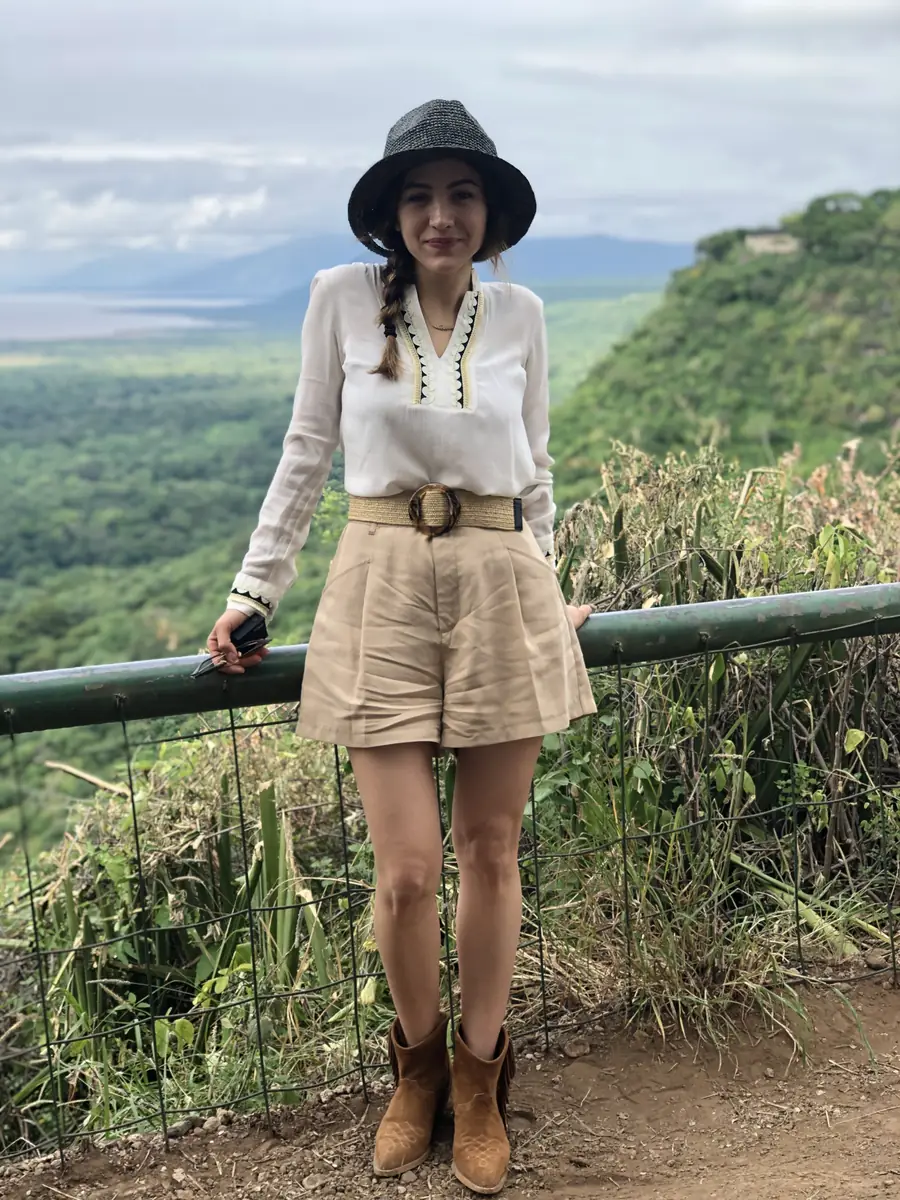
For a long time, I wasn't sure I wanted children.
Like many people, we'd heard plenty of stories that started with, "Children are wonderful, but…" We had a life we loved. We weren't missing anything.
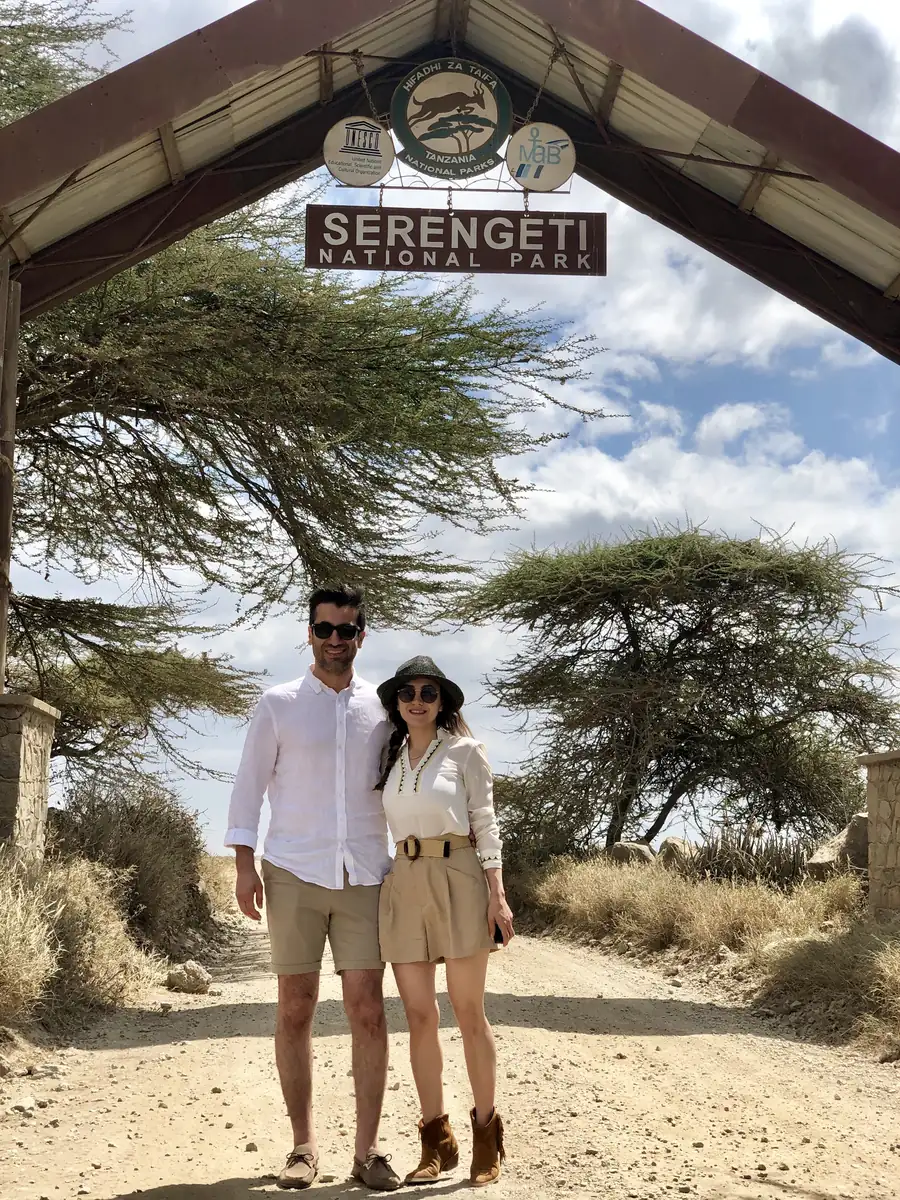
Then Oğuzhan and I went to Africa.
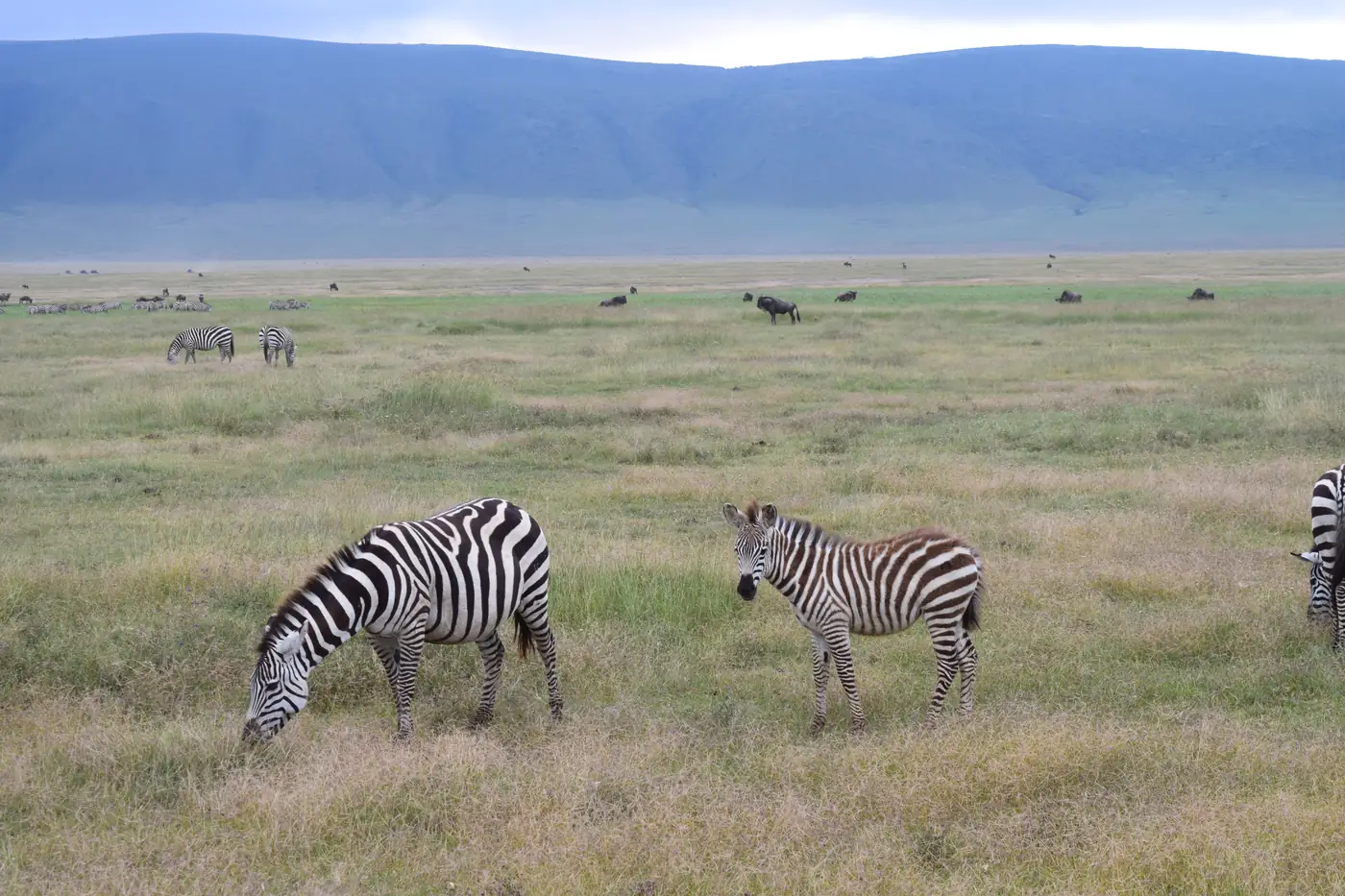
There is something about watching animals with their young that is difficult to explain without making it sound more sentimental than it felt.
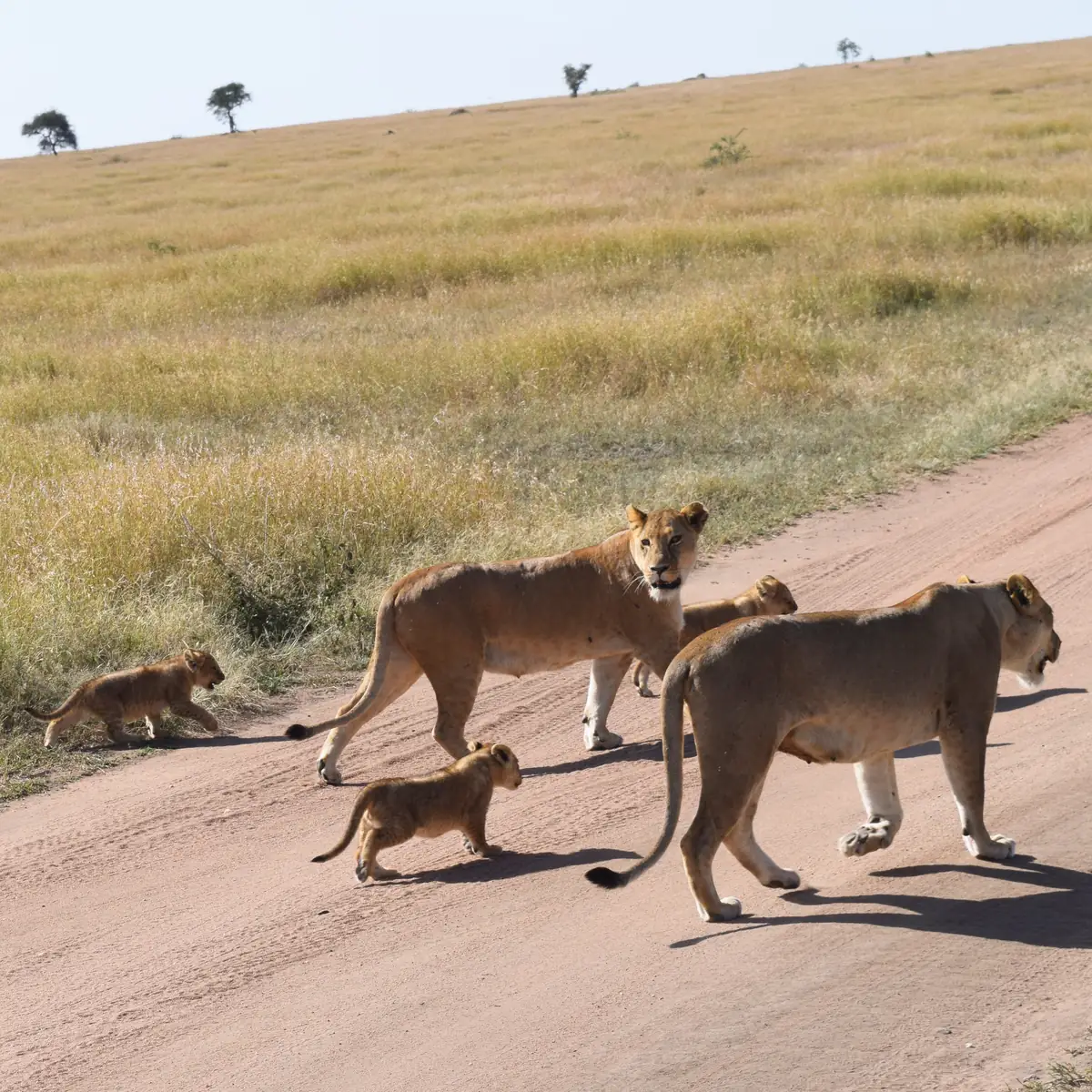
A lioness leading her cubs along a path. One falling behind and being carried.
Elephants playing together in the water.
A baby hippo resting on its mother.
A giraffe stopping everything to feed her calf in the middle of the road.
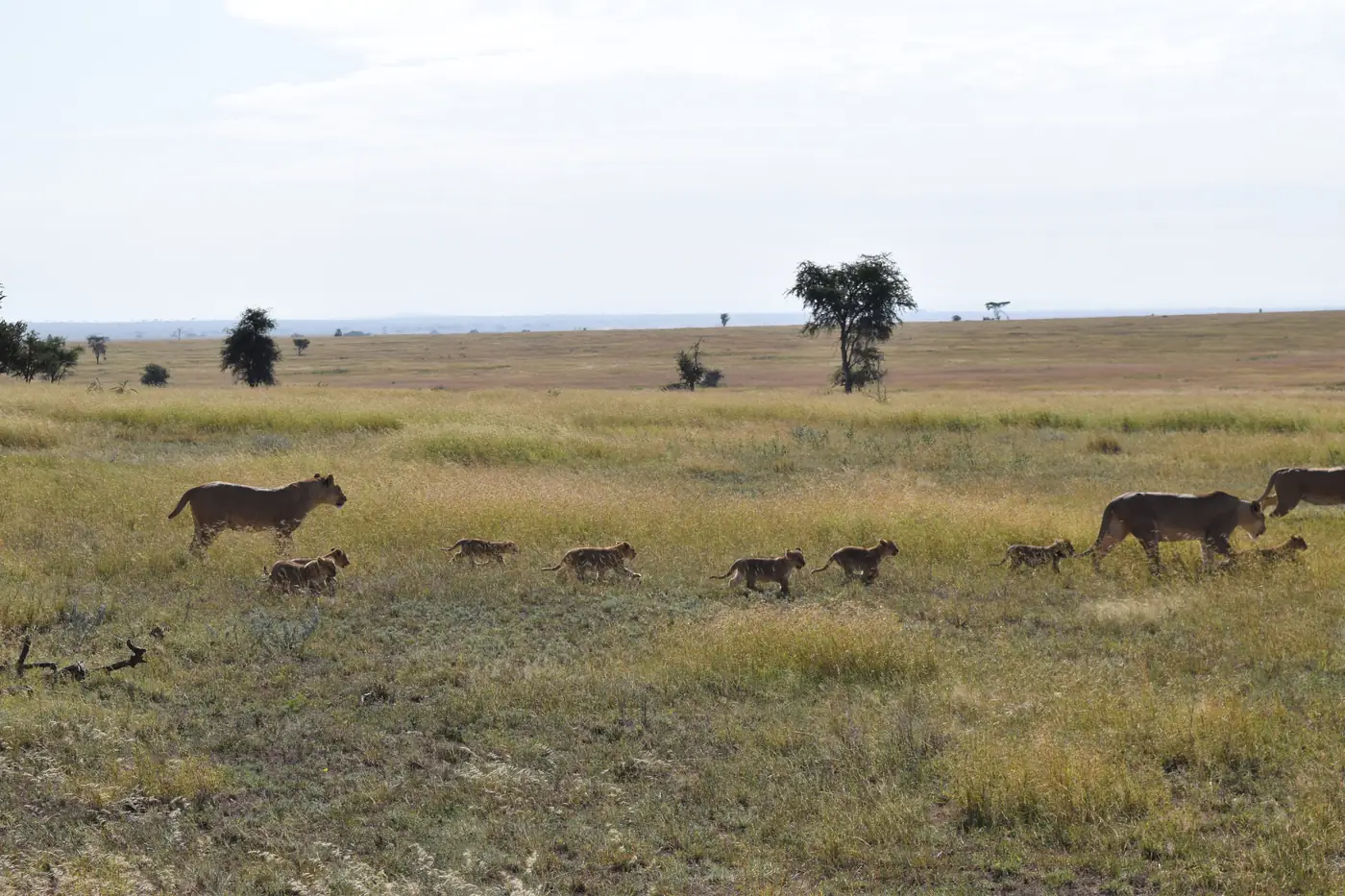
I remember watching them and feeling something shift in me.
On the second day, I turned to Oğuzhan and said, almost out of nowhere:
Should we have a little one too?
I came home and started reading
When we returned to Istanbul, I did what I tend to do whenever something important enters my mind.
I researched it.
At first, my questions were very ordinary.
What should you do before pregnancy?
When should you start folic acid?
How much should you take?
Are there blood tests you should have before trying?
I hadn't even started trying to become pregnant, but I was already thinking about a baby who didn't exist yet.
And one question kept coming back to me:
If we knew we wanted a child, was there anything we could do before pregnancy to prepare for that child?
Somewhere in that search, I found a doctor offering a program specifically for the months before pregnancy.
That immediately caught my attention.
The approach was much broader than I expected. It looked at blood work, nutrition, sleep, exercise, body measurements, psychological health and other aspects of both partners' health.
Oğuzhan has always been open-minded and curious about new ideas, so he agreed to go with me.
We were there before there was a problem
The doctor seemed genuinely surprised to see us.
He told us that he had been talking about preconception preparation for years, but most couples found him only after they had already started trying and something wasn't going as expected.
What he wanted was for people to come earlier.
People like us, who weren't there because something had gone wrong.
We were simply asking:
How can we prepare?
Until I had gone looking for it myself, I didn't even know this kind of care existed.
I wrote about that experience on my personal blog in 2021. At the time, I described preconception preparation as something much broader than taking folic acid or losing weight: a multidisciplinary look at both parents before pregnancy.
I didn't know then that I would still be thinking about the same idea five years later.
We thought we were healthy
This is the part of our experience that stayed with me most.
We weren't worried about our fertility.
We weren't going to the doctor because either of us felt unwell.
In fact, we thought we were very healthy.
We exercised. We paid attention to what we ate. We were young, active and probably among the fittest we'd ever been.
We went because we were curious.
And then the testing identified opportunities to improve our reproductive health on both sides.
Some involved nutrition.
Some involved environmental exposures we had never associated with fertility.
Some involved exercise, recovery and lifestyle.
There were things neither of us would have known simply by looking at ourselves and saying, we're healthy.
That realization changed the way I thought about preparing for pregnancy.
Feeling healthy and knowing what is happening inside your body are not always the same thing.
And fertility was not only about me.
It was about both of us.
Why the months before started to matter to me
Pregnancy gets a very clear starting point.
You see two lines on a test, and suddenly there are lists everywhere.
What to eat.
What not to eat.
Which supplement to take.
What to stop drinking.
Which products to avoid.
Which appointments to make.
But by then, pregnancy has already begun.
I started wondering why we talked so little about the months that come before those two lines.
Those months don't give us control over whether or when pregnancy will happen. They don't guarantee fertility. And they certainly don't mean that someone who experiences infertility, loss or complications failed to prepare correctly.
But they are still part of the story.
They are time in which both partners can understand their health better, address things that are modifiable, and enter pregnancy or fertility treatment with more information.
For me, that became one of the earliest ways of caring for a future child: starting with the health of the two people who hope to create them.
What preparation looked like for us
Our own program lasted about three months.
It wasn't a generic fertility checklist, and it wasn't simply a long list of supplements.
We looked at nutrition, sleep and exercise; blood and urine testing; areas where supplementation might be appropriate based on our own results; genetic screening recommended by our doctor; body composition; psychological health; and aspects of our everyday environment and lifestyle.
The important part wasn't that every couple should do exactly what we did.
It was the opposite.
It showed me how personal preconception health can be.
Our bodies, histories, exposures, habits and paths to pregnancy are different.
Preparation should reflect that.
Then, eventually, we started trying.
I'm going to stop the story there
Today, we have two sons.
Ali and Alp.
It would be very easy for me to put those two sentences next to everything we did beforehand and imply that one caused the other.
I won't.
I don't know that.
Preparation isn't a guarantee of pregnancy.
It isn't a guarantee of an uncomplicated pregnancy or a healthy baby.
And I would be very cautious of anyone who sells it that way.
What preparation gave us was something quieter.
We knew more.
We changed the things that made sense for us to change.
And we entered that chapter of our lives with our eyes more open than they had been before.
For us, that was enough reason to do it.
Maybe you're reading this at a completely different point
One thing I've learned since writing about this the first time is that there is no single moment when someone discovers preconception health.
You might be reading this while you're only beginning to imagine having a baby someday.
You might already be trying.
You might have been trying for months.
You might have an IVF consultation scheduled.
And I don't want this conversation to become another way for people, especially women, to look backwards and think:
I should have known. I should have done more.
That isn't the point.
We found this before trying mostly because I happened to become curious at the right time.
Nobody had told us to do it.
If you haven't started trying yet, you have something valuable in front of you: time.
If you're already trying, the health of the months ahead still matters.
And if you're preparing for IVF or another fertility treatment, preconception health can sit alongside your medical care, never instead of it.
There isn't one correct path into parenthood.
There is simply more we could be helping people understand along the way.
Five years later, I kept coming back to the same question
When I wrote about preconception preparation in 2021, I wasn't building a company.
I was sharing something I had discovered because I thought more people should know that it existed.
I ended that article by saying that this was personal, multidisciplinary and something that should be approached with a doctor, and that I was only sharing my own experience.
Five years later, I still believe that.
But something else has become clear to me.
Over the years, I've watched friends and other couples piece together the same information from different places.
A fertility clinic over here.
A blood test somewhere else.
A conversation about supplements.
An article about environmental exposures.
Information about sperm health that arrives far later than information directed at women.
Advice about nutrition, sleep, movement or stress with no clear way of knowing what applies to them.
And I kept thinking about how we had found our own doctor.
Almost by accident.
I had gone on safari.
I had watched a lion carry her cub.
I had come home wanting a baby.
I had typed some questions into the internet.
And somehow, I had found an idea that would change the way I thought about the beginning of parenthood.
It shouldn't be that accidental.
That's why I'm building Sowera
Sowera is a preconception health platform for couples.
It is for the months before pregnancy, whether you're only beginning to think about having a baby, already trying to conceive, or preparing for IVF.
The idea isn't to create another impossible standard of perfect health.
It isn't to promise outcomes no one can promise.
And it isn't to replace your doctor or fertility clinic.
It's to make the preparation side easier to understand.
To bring both partners into the conversation.
To help people know what they can learn, what may be modifiable, what deserves medical attention and what probably doesn't need another hour of worrying on the internet.
Because what happens before pregnancy deserves more attention than it gets.
And because if there are things we can know earlier, I'd rather know them earlier.
That's where Sowera began.
Long before I knew I was building it.